Source Euro 4 Mini Dump Truck for Mining, Construction, and Agriculture
Explore 30 listings for the euro 4 mini dump truck, featuring manual and automatic transmissions with 4x4 and 8x4 drive configurations. Compare specifications including 1-10t load capacities and customizable colors to find the right vehicle for your project needs; compare the available evidence and request quotations based on your requirements.
Key considerations
Products List


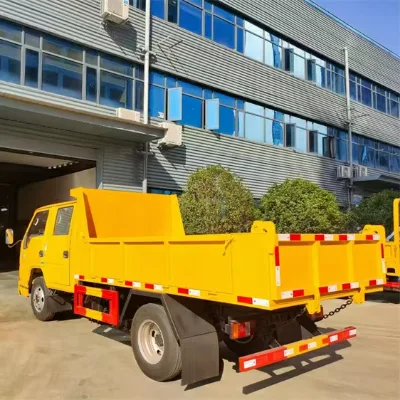
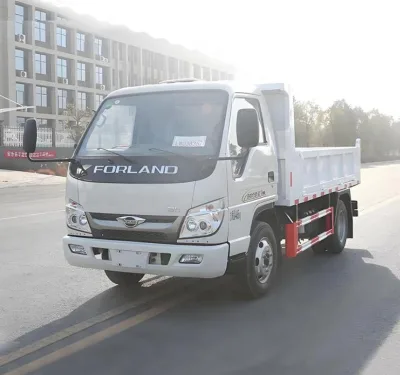
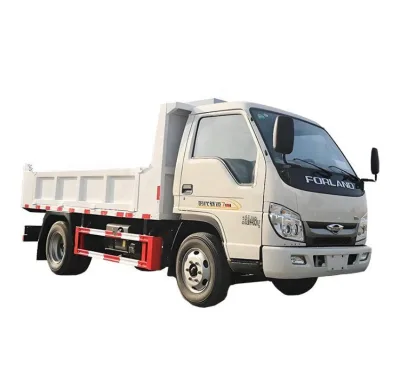


Comprehensive Sourcing Guide
Euro 4 Mini Dump Truck Sourcing Guide
Procuring a Euro 4 mini dump truck requires careful alignment between specific operational needs and the available market inventory, particularly regarding engine capacity and emission compliance. The observed product data indicates a diverse range of configurations, including models with engine capacities under 4 liters and others exceeding 8 liters, suggesting that buyers must verify the exact emission standard certification for their intended region. While some listings highlight Euro compliance, the specific engine displacement varies significantly, meaning a single search term may yield vehicles with vastly different powertrains and regulatory standing.
Buyers should prioritize verifying the condition of the vehicle, as the market presents both new and used units with identical model codes like MST or 8x4 configurations. The presence of customization options for color and specific dumping styles, such as front lifting or bidirectional dumping, allows for tailoring the asset to specific site constraints. However, the variation in drive wheel configurations, ranging from 4x2 to 8x4, necessitates a clear definition of load requirements before engaging with suppliers to ensure the selected chassis can handle the intended payload without compromising safety or efficiency.
Product Scope and Observed Listing Signals
The current market signals reveal a wide spectrum of load capacities, from light-duty units handling 1 to 10 tons to heavy-duty variants capable of transporting 41 to 50 tons. This disparity indicates that the term "mini dump truck" in search results may encompass a broad category of vehicles, requiring buyers to scrutinize the load capacity specification rather than relying solely on the model name. The observed price range of 1500 to 35000 USD further reflects this diversity, with costs likely driven by the complexity of the chassis, the engine size, and the specific dumping mechanism installed on the unit.
Observations of specific structural details, such as double-layer frames and varying leaf spring configurations, provide critical insights into the durability and intended application of these vehicles. Some listings specify a rotor type structure with hydraulic machining processes, which points to specialized applications like shotcrete operations rather than standard earthmoving. Buyers must distinguish between general transport trucks and specialized construction equipment, as the presence of features like a 351-450hp engine or a specific cab model like the Hw76 New Front Cab signals a vehicle designed for heavy industrial use rather than light municipal work.
Technical Specifications to Verify
When evaluating technical specifications, the drive wheel configuration and transmission type are primary determinants of operational suitability. The market offers both manual and automatic transmission options paired with different drive configurations, such as 6x4 or 8x4 setups, which directly impact traction and fuel efficiency on varying terrains. Buyers must confirm that the selected drive wheel arrangement matches the site conditions, as a 4x2 configuration may be insufficient for heavy loads or slippery surfaces compared to the robust dual-drive axles found in larger capacity models.
Dimensional constraints and cargo box specifications are equally critical for ensuring the vehicle fits within logistical and regulatory limits. The observed product standards list specific dimensions, such as 4m by 1.5m by 1.3m or larger variants like 7.6m by 2.35m by 1.5m, which dictate the maximum volume of material that can be transported per trip. Additionally, the tire design, whether radial or tubeless, and the certification status like ECE or DOT must be verified to ensure compatibility with local road regulations and the specific demands of the cargo being hauled.
Compliance and Safety Documentation
Ensuring that the vehicle meets the required emission standards is a non-negotiable aspect of the procurement process, especially for operations in regions with strict environmental regulations. The supplied data references Euro standards alongside specific engine capacities, but buyers must obtain official documentation confirming that the specific unit purchased adheres to the Euro 4 or higher requirements mandated by their local jurisdiction. Relying on general listing descriptions without verified certification papers can lead to significant legal and operational penalties, particularly for commercial fleets operating in urban environments.
Safety documentation must also cover the structural integrity and certification of critical components like the frame, axles, and braking systems. Listings mention certifications such as CE and ISO9001, which indicate adherence to quality management systems, but these do not automatically guarantee that every individual unit meets specific safety performance thresholds. Buyers should request detailed test reports for the front and rear axles, such as the Vgd95 and AC16 models, and verify that the leaf spring configurations meet the load-bearing requirements for the intended maximum payload to prevent structural failure during operation.
Cost Drivers and Commercial Terms
The final cost of a Euro 4 mini dump truck is heavily influenced by the engine capacity, transmission type, and the level of customization required for the specific application. Units with higher horsepower ratings, such as those in the 351-450hp range, or those featuring automatic transmissions and specialized dumping styles like bidirectional dumping, will command a premium over basic manual models with smaller engines. Buyers should analyze the total cost of ownership, including fuel efficiency and maintenance costs associated with complex hydraulic systems, rather than focusing solely on the initial purchase price.
Commercial terms regarding packaging and shipping logistics also play a significant role in the overall procurement budget. The observed packing methods, ranging from bubble film to heavy-duty containers, affect the safety of the vehicle during transit and the associated freight costs. Additionally, the origin location, whether Shijiazhuang or Zhejiang, impacts lead times and shipping expenses, requiring buyers to factor in these variables when negotiating the final contract. Clear agreements on delivery terms and the handling of customs codes, such as 8709199000, are essential to avoid unexpected delays or additional charges upon arrival.
Supplier Qualification and Quality Control
Verifying the supplier's ability to provide consistent quality is paramount, especially given the mix of new and used units available in the market. Buyers should request evidence of the supplier's quality control processes, including inspection reports for the frame, engine, and hydraulic systems, to ensure that the vehicle meets the advertised specifications. The presence of certifications like ISO9001 is a positive indicator, but it is crucial to confirm that these certifications apply to the specific manufacturing or refurbishment process used for the unit being purchased.
Quality control checks should extend to the specific components listed in the product data, such as the cab model, axle ratios, and tire certifications. Suppliers must be able to demonstrate that the Hw76 New Front Cab or the Vgd95 Front Axle are genuine and meet the performance standards expected for heavy-duty applications. Buyers should also inquire about the sourcing of spare parts and the availability of technical support, as the complexity of the hydraulic and transmission systems requires ongoing maintenance expertise to ensure long-term reliability and safety.
Long-Term Procurement Checks
Establishing a long-term procurement strategy involves regular audits of the vehicle's performance and adherence to maintenance schedules to prevent premature wear and failure. Buyers should implement a system for tracking engine hours, load cycles, and maintenance records to ensure that the Euro 4 emission systems remain functional and compliant over time. This proactive approach helps in identifying potential issues early, such as degradation in the hydraulic system or wear on the leaf springs, allowing for timely interventions that extend the vehicle's operational life.
Future-proofing the fleet requires staying informed about evolving emission standards and regulatory changes that may affect the usability of the current assets. As environmental regulations tighten, vehicles with Euro 4 engines may face restrictions in certain zones, necessitating a strategic plan for fleet renewal or retrofitting. Buyers should maintain a relationship with suppliers who can provide updates on compliance requirements and offer solutions for upgrading or replacing units to ensure continuous operation without regulatory interruptions.
FAQs
What is the typical load capacity for these trucks?
The load capacity typically ranges from 1 to 10 tons for standard models. Some heavy-duty variants support capacities between 41 and 50 tons. Buyers should verify the specific tonnage rating against their operational requirements before placing orders to ensure compliance with local road regulations.
Can the truck color be customized for branding?
Yes, the truck color is fully customizable to match corporate branding or site safety standards. Manufacturers offer various paint options to suit specific visual identities. This flexibility allows fleet operators to maintain consistent appearance across their vehicles while adhering to industry safety color codes.
Which emission standards do these engines meet?
These trucks generally meet Euro emission standards for diesel engines. Engine capacities vary, with options available for 4-6 liters and models exceeding 8 liters. Buyers must confirm the specific Euro rating required by their local environmental regulations to ensure legal compliance and operational eligibility.
What drive configurations are available for these units?
Available drive configurations include 4x2, 6x4, and 8x4 setups. The 8x4 models often feature dual drive axles with specific speed ratios for heavy loads. Selecting the correct configuration depends on terrain difficulty and payload weight, ensuring optimal traction and fuel efficiency for the intended application.
Are these trucks new or used condition?
Both new and used conditions are available in the market. New units come with full warranties and latest technology, while used options offer cost savings. Buyers should inspect vehicle history and maintenance records carefully when considering pre-owned models to ensure long-term reliability and performance standards are met.
What is the minimum order quantity for purchase?
The minimum order quantity is typically one unit for most suppliers. This allows buyers to test performance before committing to larger fleet purchases. Bulk discounts may apply for higher volumes, but single-unit procurement is supported to accommodate small construction projects or individual contractor needs effectively.